AI Therapy vs Human Therapy: What Actually Works Better?
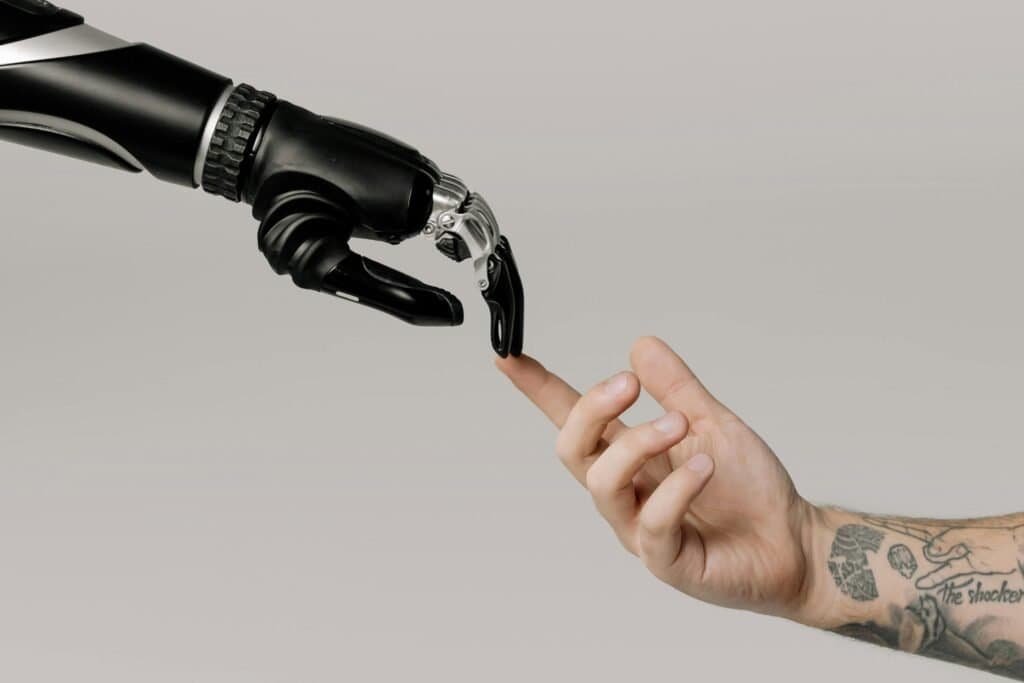
Artificial intelligence is transforming many industries, including mental health. AI chatbots and mental health apps promise instant support, coping strategies, and a sense of being heard at any hour. As conversations about mental health evolve, many people are weighing the pros and cons of therapy vs AI tools when seeking support. You may wonder if AI can replace professional therapy or if human-led counselling is still necessary.
This article explores the differences between AI-based support and therapy with a trained professional. It highlights the benefits and limitations of AI, the unique value of human therapists, and why Canadians are increasingly choosing virtual and in-person counselling for meaningful, lasting change.
The Rise of AI in Mental Health
How AI works
AI chatbots use large language models to recognize patterns in text and reflect them back to users. They can provide structured prompts, validate feelings, and offer coping strategies for stress or anxiety. For many, this creates a sense of being understood. Chatbots are accessible twenty-four seven, making it a convenient option.
Why AI Appeals to Canadians
AI tools are appealing because they offer low-barrier access, a sense of anonymity, and immediate responses. Many start with AI chatbots for therapy due to this appeal. They can serve as a first step for people who are hesitant to speak to a therapist or who live in areas where professional support is harder to reach. For Canadians in rural or remote communities, AI can feel like a convenient and safe option for initial support.
AI Therapy vs Human Therapy: The Key Differences
The benefits of AI in Mental Health
24/7 availability — support is always accessible, even outside of traditional therapy hours.
Anonymity and low barrier to entry — for people who feel hesitant about opening up to another person, AI can feel like a safer first step.
Scalability and affordability — apps and chatbots are widely available, often at little or no cost, which increases access to basic mental health support in Canada.
The Limits of AI Chatbots for Therapy
Large language models can reflect patterns in your language and validate your feelings, but over time they can create an echo chamber. This repetition may feel comforting in the moment but does not challenge you or guide personal growth in the way human therapy can.
AI lacks the depth of personalization required for meaningful change. While AI chatbots can reflect on information you provide about your history, values, experiences, it cannot fully understand the complexity of your personal history, relationships, culture, and lived experiences in the way a trained therapist can. Human therapists design sessions around your experiences, emotions, and goals in ways that no machine can replicate.
Accountability is another limitation. Therapists support clients in setting and achieving goals. They notice when progress stalls and provide encouragement or adjustment. AI cannot track long-term development or hold you responsible in a relational sense.
Privacy and ethics are also concerns. Therapy in Canada is protected by strict confidentiality laws. AI chatbots store data on servers, and although companies may promise security, the guarantee of privacy is not equivalent to legally protected therapy.
Emotional nuance is another critical difference. Human therapists perceive subtle changes in tone, pauses, and body language that inform how they respond. AI may mimic empathy, but it cannot truly feel compassion or sense complex emotions.
AI cannot provide emergency intervention. In moments of crisis, human support is essential. Over-reliance on AI may even lead to rare but concerning phenomena such as AI psychosis, where prolonged interaction with chatbots blurs the boundary between real human connection and machine interaction.
Therapy also fosters relational growth. Beyond problem-solving, it teaches vulnerability, trust, and authentic connection. AI cannot cultivate these skills, which are essential for long-term emotional resilience.

Why Human Therapists Still Matter
Human Empathy and Connection
Trained therapists bring more than knowledge or technique to sessions. They bring presence, attunement, and the capacity to bear witness to another human being’s inner world. There is a sacred quality in human connection: a relational depth, a sense of soul, that cannot be coded or simulated. Therapists can pick up on the unspoken, respond to the rhythm of your emotions, and meet you with a moral and emotional consciousness that goes beyond words.
This connection is not just about understanding; it is about being with someone fully, holding space for their pain, uncertainty, and growth without algorithmic limits. AI can reflect patterns in language and mimic empathy, but it cannot feel, it cannot carry the weight of shared human experience, and it cannot offer the transformative resonance that arises from two conscious beings engaging in authentic relational work.
In therapy, the human element (the awareness of soul, relational depth, and emotional authenticity) is what makes healing possible. It is the subtle interplay of intuition, empathy, presence, and ethical attunement that allows a therapist to guide transformation in ways a machine will never be able to replicate (at least not for a while). To learn more about the healing power of human connection, read this blog here.
Evidence-Based Treatment
Therapists use evidence-based approaches such as Cognitive Behavioural Therapy, Acceptance and Commitment Therapy among other approaches to create measurable change. AI can offer coping suggestions, but it cannot tailor these methods or adapt them over time to the nuances of your life.
Relational Healing and Trust
Therapy with a skilled therapist provides continuity and purpose. Each session builds on the last, guiding clients toward long-term change and helping them track real progress. Unlike AI, which can repeat patterns and create a sense of stagnant or chaotic reflection over time, a therapist challenges you in thoughtful, adaptive ways. They introduce new perspectives, encourage reflection, and gently push you beyond comfort zones to foster genuine growth. This structured challenge is what turns insight into lasting transformation, something no machine can replicate.
Cultural Understanding in Canada
Canadian therapists understand the cultural and social context in which clients live. They are aware of the healthcare system, insurance coverage, and societal norms, providing guidance that is relevant and effective. AI cannot account for these important nuances.
Adaptive Challenge
Human therapists don’t just listen. They gently challenge limiting beliefs, habitual thought loops, and unhelpful coping strategies in ways that AI cannot. While chatbots can reflect back your words and offer validation, this can become an echo chamber, repeating your thoughts without fostering real change. A therapist adapts interventions in the moment, tailoring questions, exercises, and reflections to your unique context, helping you move past barriers and achieve meaningful growth.
Online Therapy Canada: Connecting You to Human Expertise
Virtual therapy allows Canadians from British Columbia and across the country to access professional support from home. Online sessions remove travel barriers, offer flexible scheduling, and provide privacy.
Unlike AI, virtual therapy connects you to a trained professional who can respond in real time to your emotions, questions, and goals. Many Canadian insurance plans cover sessions with Registered Clinical Counsellors and Psychotherapists, making therapy affordable and accessible.
Conclusion: Choosing the Support That Truly Moves You Forward
AI chatbots provide accessibility, validation, and convenience. However, therapy with a trained human professional offers empathy, personalization, structured growth, and relational learning that AI cannot replicate.
If you are seeking lasting change and emotional resilience, virtual or in-person therapy provides safe, confidential, and effective support. Professional guidance empowers you to move beyond temporary solutions and build meaningful, sustainable mental health.
Frequently Asked Questions About Therapy vs AI
AI therapy can help with self-reflection, journaling, and basic coping strategies, but it is generally not as effective as therapy with a trained professional. Human therapists can assess complex emotions, adapt treatment plans, and provide accountability over time.
You should choose a human therapist if you are experiencing persistent anxiety, depression, trauma, relationship difficulties, grief, or significant life stress. A therapist can provide personalized treatment and ongoing support tailored to your situation.
You should choose a human therapist if you are experiencing persistent anxiety, depression, trauma, relationship difficulties, grief, or significant life stress. A therapist can provide personalized treatment and ongoing support tailored to your situation.
Yes. Many people use AI tools between therapy sessions for journaling, practicing coping skills, organizing thoughts, or reviewing strategies they have learned in therapy. The most effective approach is often using AI as a supplement rather than a replacement.
The biggest limitations include lack of personalization, inability to understand your full life context, privacy concerns, absence of genuine emotional connection, and no capacity for emergency intervention.
Potential risks include inaccurate or inappropriate advice, over-validation without constructive challenge, privacy concerns, lack of crisis intervention, and the possibility of delaying professional treatment when it’s needed.
AI may help with:
- Learning coping strategies
- Guided journaling
- Mindfulness exercises
- Psychoeducation
- Mood tracking
- Preparing topics to discuss with a therapist

About the Author
Jessica Miskiewicz is a Canadian Registered Clinical Counsellor, Psychotherapist and Owner of Journey Therapy. She provides virtual therapy sessions across Canada, helping clients build resilience, self-awareness, and lasting emotional growth. Click here to learn more.