ICBC Counselling Coverage: What You Need to Know After a Car Accident in BC
Most people aren’t aware of this — but if you’ve been in a car accident in British Columbia, you’re likely eligible for 12 fully covered ICBC counselling sessions. No doctor’s note. No referral. Just your ICBC claim number and an ICBC approved counsellor who can help you begin healing.
It doesn’t matter whether the crash was major or minor, or whether you were at fault. If you were the driver, passenger, pedestrian, or cyclist involved in a collision, you likely qualify for mental health support — and many people don’t take advantage of it.
Why Do So Many People Avoid ICBC Counselling After a Crash?
Because most of us downplay our emotional pain.
We say things like:
“It could’ve been worse.”
“I’m fine — just shaken up.”
“I’ll get over it.”
But your nervous system doesn’t work that way.
Even after the vehicle is repaired and the insurance paperwork is done, your body may still carry the imprint of the crash.
Signs You’re Still Affected by the Accident
Even if everything looks “normal” on the outside, you may notice:
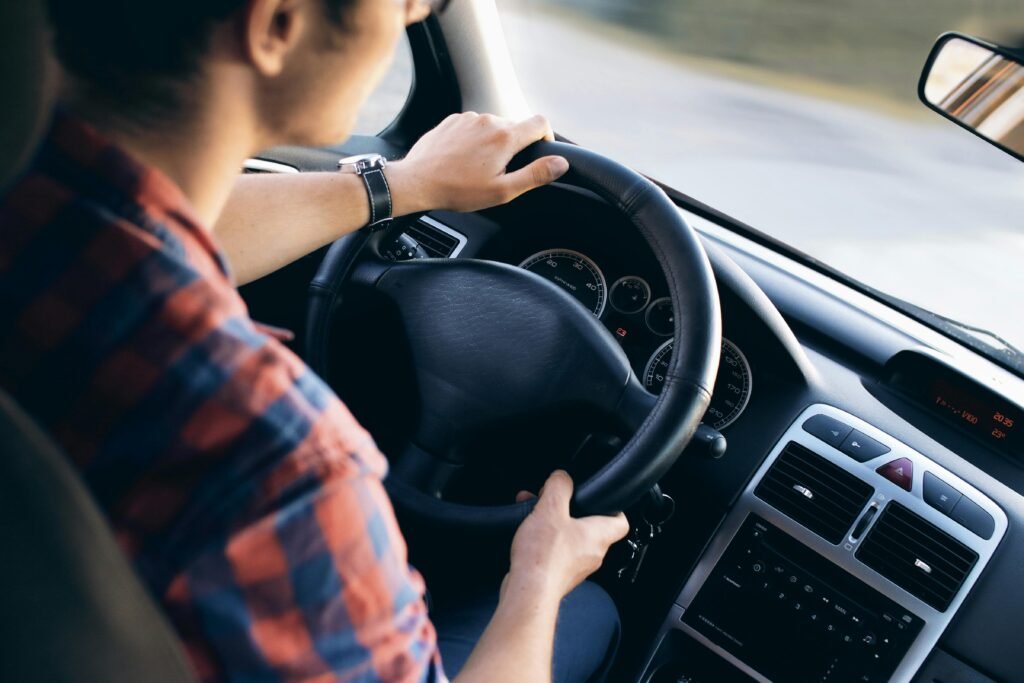
Feeling tense or nervous behind the wheel
Avoiding certain roads
A spike in anxiety when others brake suddenly
Trouble falling or staying asleep
Intrusive memories or flashbacks of the crash
Feeling on edge, jumpy, or unusually alert
Worried about other drivers on the road
These are common — but that doesn’t mean they should be ignored. Unresolved stress can quietly evolve into chronic anxiety, panic, or even phobias related to driving.
Early ICBC Counselling Makes a Difference
The good news? You don’t have to stay stuck.
ICBC Counselling helps your nervous system reset. With support, you can:
Calm your body’s stress response
Rebuild confidence behind the wheel
Process the emotional impact of the crash
Prevent long-term mental health effects like PTSD or driving anxiety
The earlier you address it, the easier it is to shift out of that hyper-alert state and start feeling like yourself again.

ICBC Counselling Coverage: How It Works
Here’s what you need to know:
- 12 sessions are pre-approved within the first 12 weeks after your accident
- No referral required — just your ICBC claim number
- You’re eligible even if you were at fault
- Sessions are fully covered by ICBC
- More sessions can be requested if needed
What to Expect in Your First Counselling Session
Starting therapy after an accident might feel unfamiliar, especially if it’s your first time. At Journey Therapy, your first session is focused on understanding how the crash has impacted you — physically, emotionally, and mentally. You don’t need to prepare anything in advance. An ICBC approved counsellor will gently guide the conversation to explore any symptoms you’re noticing, like sleep disruptions, irritability, flashbacks, or driving anxiety.
Together, you’ll begin identifying the areas where you feel stuck and start creating a plan to help you feel more grounded, safe, and in control.
Therapy is not one-size-fits-all. Some clients benefit most from talking through the experience, while others use practical tools like breathwork, somatic awareness, or nervous system regulation techniques. The goal is always the same: to help your body and mind feel calm again — especially in situations that now feel unsafe.
Reach Out — Support Is Here
At Journey Therapy, it is easy for you to access support. You don’t need to navigate any extra paperwork — just reach out with your claim number and we’ll take care of the rest.
Virtual sessions are offered so where ever you are in BC, you can get trauma-informed support from the comfort of your home. If you’ve recently experienced a motor vehicle accident, you don’t have to carry it alone.
Therapy is available. It’s covered. And it can help. Reach out today to book your ICBC counselling session.
Let’s work together to help you feel safe, steady, and grounded again.
Frequently Asked Questions About ICBC Counselling
ICBC counselling provides psychological support for individuals who are experiencing emotional or mental health challenges after a motor vehicle accident. A car accident can affect more than your physical health. Many people experience anxiety, stress, fear of driving, changes in mood, sleep difficulties, or challenges adjusting after an injury.
Counselling can help you process your experience, manage symptoms, and develop strategies to support your recovery.
People involved in a motor vehicle accident may be eligible for counselling support, including:
- Drivers
- Passengers
- Pedestrians
- Cyclists
Being at fault does not mean you cannot access emotional and mental support. ICBC benefits is available to all parties involved whether you were at fault or not.
A motor vehicle accident can affect people in many different ways. Counselling can help with concerns such as:
- Anxiety after a car accident
- Fear of driving or being in a vehicle
- Stress and emotional overwhelm
- Difficulty sleeping
- Intrusive memories or distress related to the accident
- Loss of confidence
- Difficulty adjusting after injuries or life changes
- Feeling stuck during the recovery process
Yes. Fear of driving or being a passenger after a collision is a common concern. Some people begin avoiding highways, certain routes, or driving altogether because they no longer feel safe.
Therapy can help you process what happened, understand your fear response, and gradually rebuild confidence in a way that feels manageable.
If you have been in a motor vehicle accident, ICBC provides pre-approved treatment benefits during the first 12 weeks after your accident, which includes counselling.
At Journey Therapy, eligible clients can access ICBC counselling without paying session fees directly. We can help guide you through the process so you can focus on your recovery and emotional well-being after your accident.
About the Author
Jessica Miskiewicz is a Registered Clinical Counsellor and Owner of Journey Therapy. She is an approved ICBC counsellor helping clients across British Columbia navigate psychological and emotional distress after a motor vehicle accident.
Jessica Miskiewicz, MA, RCC, RP(q)