Why We Can’t Stay Present and What to Do About It

I often have individuals come to me expressing a desire to be more present in the moment and more mindful in their daily lives. They want to reduce the constant dwelling on the past, worrying about the future, or escaping the moment by reaching for distractions like their smartphones.
Worrying about the future. Overthinking the past. Endlessly scrolling. Sound familiar?
If you have ever found yourself staring at your phone without even knowing why you picked it up or playing out worst-case scenarios in your mind like a movie you did not choose to watch, you are not alone. In today’s hyper-connected and hustle-driven culture, staying present has quietly become one of the biggest mental health challenges we face.
The Problem with Not Being Present in a Busy World
In today’s fast-paced, always-on world, many of us are running on autopilot. We are juggling full schedules, endless responsibilities, and the unspoken pressure to hold everything together. We’re managing demanding workdays, back-to-back meetings, life admin, relationships, bills, and the constant flood of notifications. There is this quiet expectation to be efficient, responsive, productive, and somehow calm.
Multitasking becomes the norm. Planning ahead becomes survival. But in all this forward motion, we often lose connection to the present moment. Our minds race ahead to imagined disasters, loop back to past regrets, or fixate on what is still unfinished. And instead of feeling accomplished, we feel drained. Like we are doing everything, yet never quite arriving anywhere.
This kind of mental time travel, jumping between what was and what might be, fuels stress, anxiety, and a chronic sense of not-enoughness. We are overwhelmed, not just by what we have to do, but by the invisible burden of trying to hold control over what we cannot.
Stillness starts to feel unfamiliar, even counterproductive. Yet it’s in the slowing down, not the speeding up, that we begin to reconnect with ourselves and rediscover a different kind of clarity.
Why Do We Do This? Because Problem Solving Is in Our Nature
It is important to remember that this mental habit of projecting into the future or revisiting the past is not simply a flaw. It is deeply rooted in what has made us human.
From early civilization to modern times, our ability to solve problems and anticipate challenges has been essential to our survival and progress. By thinking ahead, planning, and learning from past experiences, humans have built complex societies, invented technologies, and navigated countless obstacles.
This drive to constantly improve and be highly optimized fuels much of our mental activity.
But here’s the catch: while this problem-solving instinct helped our ancestors survive dangers like finding food or avoiding predators, today we no longer face those immediate threats. We don’t need to stay constantly alert for a tiger lurking in the bushes. Yet, our brains keeps us in worrying mode as a way to prepare. This mismatch between ancient survival mechanisms and modern life can leave us trapped into chronic worrying which drains our energy and pull us away from what truly matters.
Balancing Problem Solving with Presence
The key is learning to balance this natural drive to solve problems with the ability to pause and fully engage in the present moment.
Developing mindfulness skills helps us notice when our minds are stuck replaying the past or worrying about the future. With gentle awareness, we can bring our attention back to what is happening right now. This does not mean abandoning problem solving altogether. Instead, it means using it purposefully when it serves us and letting go of unhelpful rumination that drains our energy.
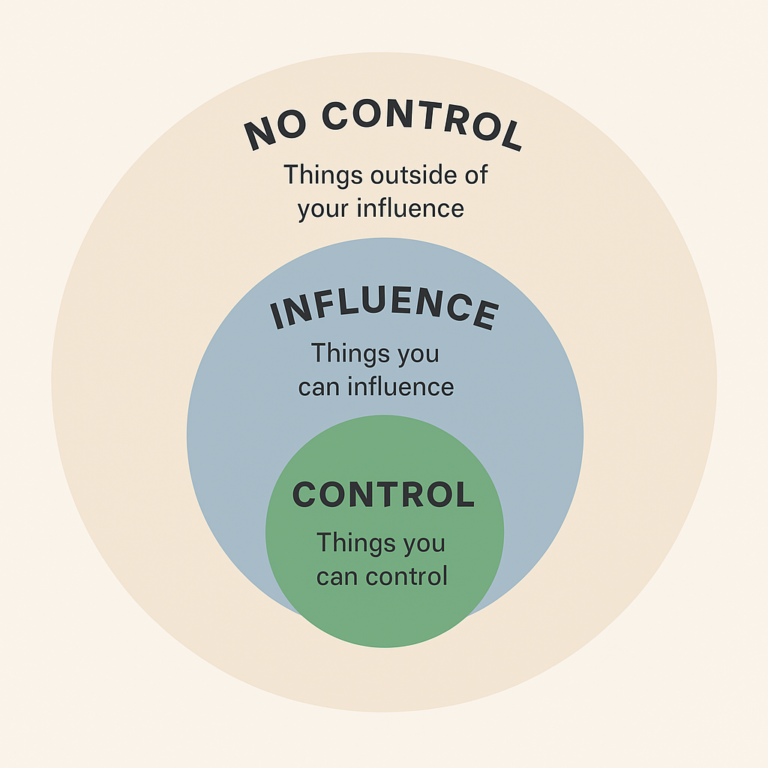
A helpful approach is to consider what we can control and what is beyond our influence. What tasks, thoughts, or worries are within our ability to address? Which ones are simply distractions pulling us away from the present? By becoming more consciously aware of our mental activity, we can ask ourselves, “Will this thought or action actually serve my needs, or can I let it go?”
Cultivating this balance allows us to honor our human nature while reducing anxiety and reconnecting with the life unfolding around us.
The Unconscious Scroll: A Sign We’re Avoiding the Moment
Have you noticed how often you reach for your phone without even thinking? Many times we pick it up unconsciously, and before we realize it, we’re scrolling without knowing how we got there. This usually happens at the earliest signs of discomfort, boredom, restlessness, or simply wanting to escape the present moment.
This unconscious scrolling is a common way to avoid uncomfortable feelings or silence. While it might provide a brief distraction, it fragments our attention and pulls us further away from the present. Over time, this habit can lead to increased restlessness and dissatisfaction. So what can we do? Awareness of this habit is the first step because we cannot change what we cannot see. Once we catch ourselves unconsciously scrolling we can make a conscious effort to pause and check in with what we are feeling in that moment. We might notice boredom, anxiety, or loneliness. By naming the feeling we bring it into awareness rather than running from it. From there we can choose a more intentional response such as engaging in a meaningful task. Over time this shift from autopilot to mindful choice can help us reclaim our attention and strengthen our connection to the present moment.
Ways to Stay Present
Staying present is a skill that takes practice, especially in a world full of constant distractions. Mindfulness is one of the most effective tools for grounding yourself in the moment. This can be as simple as noticing the sensation of your feet on the floor or paying attention to the rhythm of your breath. Meditation offers a more structured way to train your attention by repeatedly bringing your focus back when your mind wanders. You might also try mindful movement such as yoga, stretching, or walking slowly while noticing the sights, sounds, and sensations around you. If you are not used to staying present, even a single minute of stillness and awareness can feel uncomfortable, boring, or even restless at first—this is completely normal. Over time, these small moments become easier. Presence is built in small, consistent steps: catching ourselves in the act, setting the phone down, and turning toward what’s happening right now. Over time, these moments add up, creating a richer, calmer, and more meaningful daily life.
Frequently Asked Questions About Being Present
Being present means intentionally bringing your attention back to what is happening right now instead of becoming consumed by thoughts about the past or worries about the future. It involves noticing your thoughts, emotions, surroundings, and experiences without constantly judging or trying to change them.
Being present does not mean you will never think about the past or plan for the future. It means learning how to return your attention to the current moment when your mind becomes stuck in worry, regret, or distraction.
Staying present can be difficult because the human brain is naturally designed to analyze, predict, and solve problems. Thinking about the future and learning from the past has helped humans survive and adapt.
However, in modern life, this problem-solving ability can become overactive. Constant responsibilities, stress, notifications, and pressure to be productive can keep the mind focused on what needs to happen next instead of allowing us to experience what is happening now.
Overthinking often pulls our attention away from the current moment by keeping us focused on what has already happened or what might happen in the future.
Replaying past conversations, analyzing mistakes, or imagining worst-case scenarios can create a cycle of worry and mental exhaustion. While reflection and planning can be helpful, excessive overthinking can increase stress and anxiety while making it harder to connect with daily experiences.
Problem solving focuses on identifying an issue and taking purposeful action. It usually leads to a decision, solution, or next step.
Overthinking often keeps you stuck in repeated analysis without creating meaningful action. You may find yourself replaying the same thoughts, searching for certainty, or trying to control situations that are outside your influence.
Mindfulness helps you recognize when your mind is engaging in useful problem solving versus getting trapped in unhelpful rumination.
Living on autopilot often means moving through the day based on habits, routines, and reactions rather than conscious choices.
You can begin shifting out of autopilot by practicing small moments of awareness throughout your day. This might include noticing your breathing, paying attention while completing daily activities, putting your phone away during conversations, or taking a few moments to check in with your thoughts and emotions.
Presence is not something you achieve perfectly. It is a skill you strengthen through repeated practice.
Therapy can help you understand the patterns that make it difficult to stay present, including anxiety, perfectionism, chronic stress, people-pleasing, fear of uncertainty, and difficulty slowing down.
A therapist can help you develop mindfulness skills, explore what keeps your mind focused on the past or future, and build a healthier relationship with your thoughts, emotions, and daily experiences. Virtual therapy options are available across Canada, including support for individuals experiencing anxiety, burnout, and difficulty slowing down.

About the Author
Jessica Miskiewicz is a Canadian Registered Clinical Counsellor, Psychotherapist and Owner of Journey Therapy. She helps people navigate anxiety, stress, digital overuse, and the search for meaning and purpose in their lives. Click here to book a free 15 minute consultation